
Millie Elder-Holmes Loses Bid to Challenge Jurisdiction Over Gambling Ads
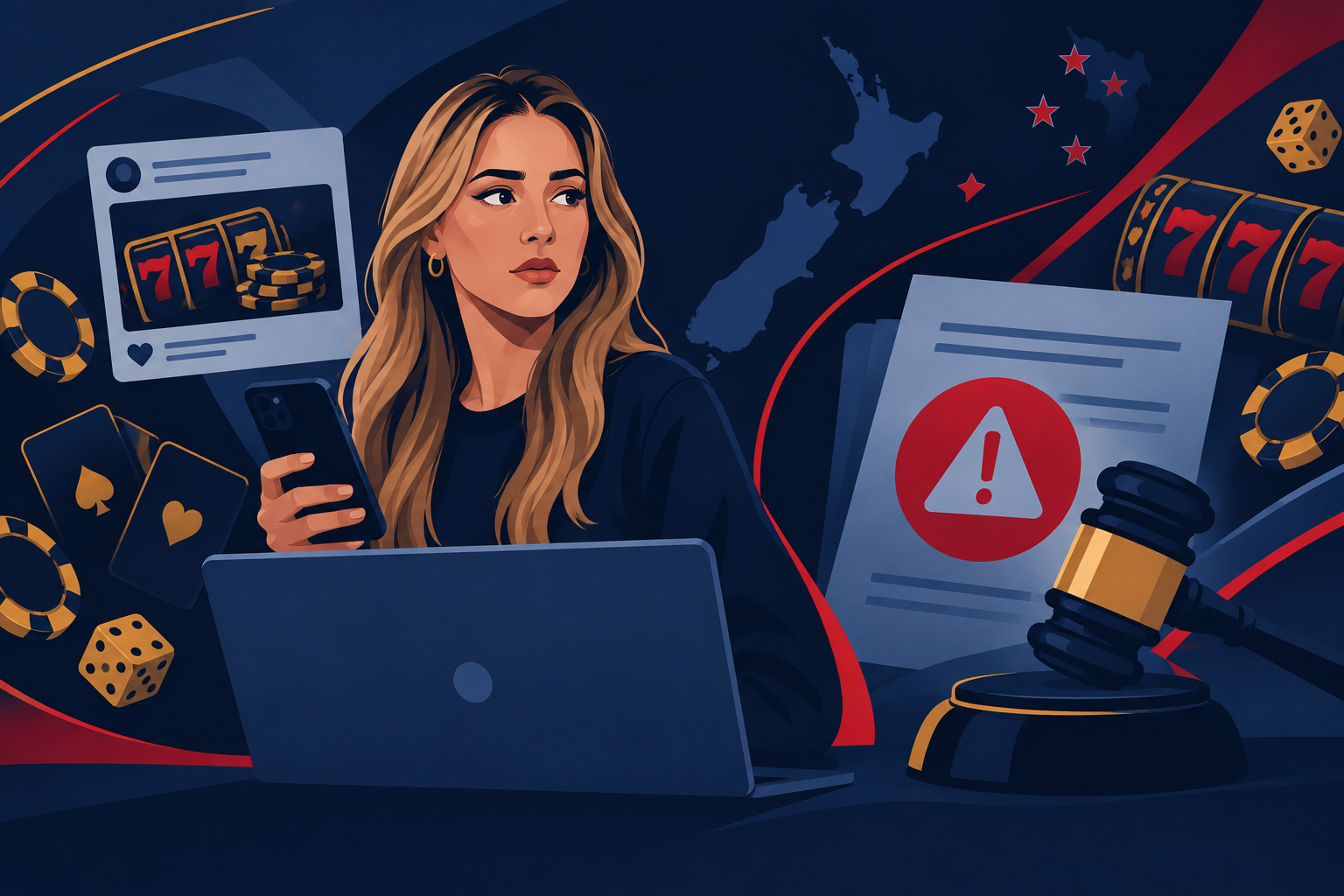
New Zealand influencer Millie Elder-Holmes faces a fine for promoting overseas gambling, highlighting regulatory challenges in the iGaming sector.
Millie Elder-Holmes, a prominent socialite and online influencer from New Zealand, has recently faced a significant setback in her legal battle concerning the promotion of overseas gambling. After becoming the first individual in New Zealand to incur a $5,000 fine for her promotional activities, Elder-Holmes attempted to challenge the jurisdiction of the New Zealand Gambling Commission over her advertising practices. However, her efforts have been unsuccessful, raising important questions about the regulatory landscape for online gambling and advertising in New Zealand and beyond.
Elder-Holmes's case is particularly noteworthy as it shines a light on the stringent regulations governing gambling advertisements, especially those promoting overseas platforms. In recent years, many countries have tightened their regulations to protect consumers from potentially harmful gambling practices. This case serves as a reminder of the complexities that influencers and marketers face when navigating the often murky waters of gambling promotion, especially when their activities cross international borders.
The implications of this ruling extend beyond Elder-Holmes herself. As the online gambling industry continues to grow, with millions of players engaging in various forms of betting and gaming, the need for clear and consistent regulations becomes ever more pressing. Influencers and marketers must be increasingly aware of the legal frameworks that govern their activities, as failure to comply can result in hefty fines and legal repercussions, as demonstrated in this case.
In the broader context of the iGaming sector, Elder-Holmes's situation reflects a growing trend of regulatory scrutiny on gambling advertisements. Countries throughout Europe, including Poland, have implemented strict guidelines to ensure that gambling promotions are conducted responsibly and do not target vulnerable populations. This includes restrictions on how and where gambling ads can be displayed, as well as requirements for transparency in advertising practices. As such, this case may serve as a cautionary tale for other influencers and marketers in the industry, highlighting the need for due diligence when promoting gambling services.
Additionally, this incident raises questions about the role of social media influencers in the gambling space. As platforms like Instagram and TikTok become increasingly popular for marketing, influencers are finding themselves at the forefront of a new wave of advertising strategies. However, with this opportunity comes the responsibility to ensure compliance with local laws and regulations, a challenge that is not to be underestimated. The potential for significant fines and legal challenges may deter some from promoting gambling products altogether, potentially impacting the marketing strategies of various online gambling operators.
In conclusion, Millie Elder-Holmes's legal battle underscores the complex intersection of social media, marketing, and gambling regulation. As the iGaming industry continues to evolve, it is crucial for all stakeholders, including influencers, marketers, and operators, to remain vigilant and informed about the legal frameworks that govern their practices. This case serves as a reminder that the online gambling landscape is not only about entertainment and profit but also about navigating a complex regulatory environment that can have far-reaching implications for everyone involved.